
A Practical Guide to Fish Feed Manufacturing
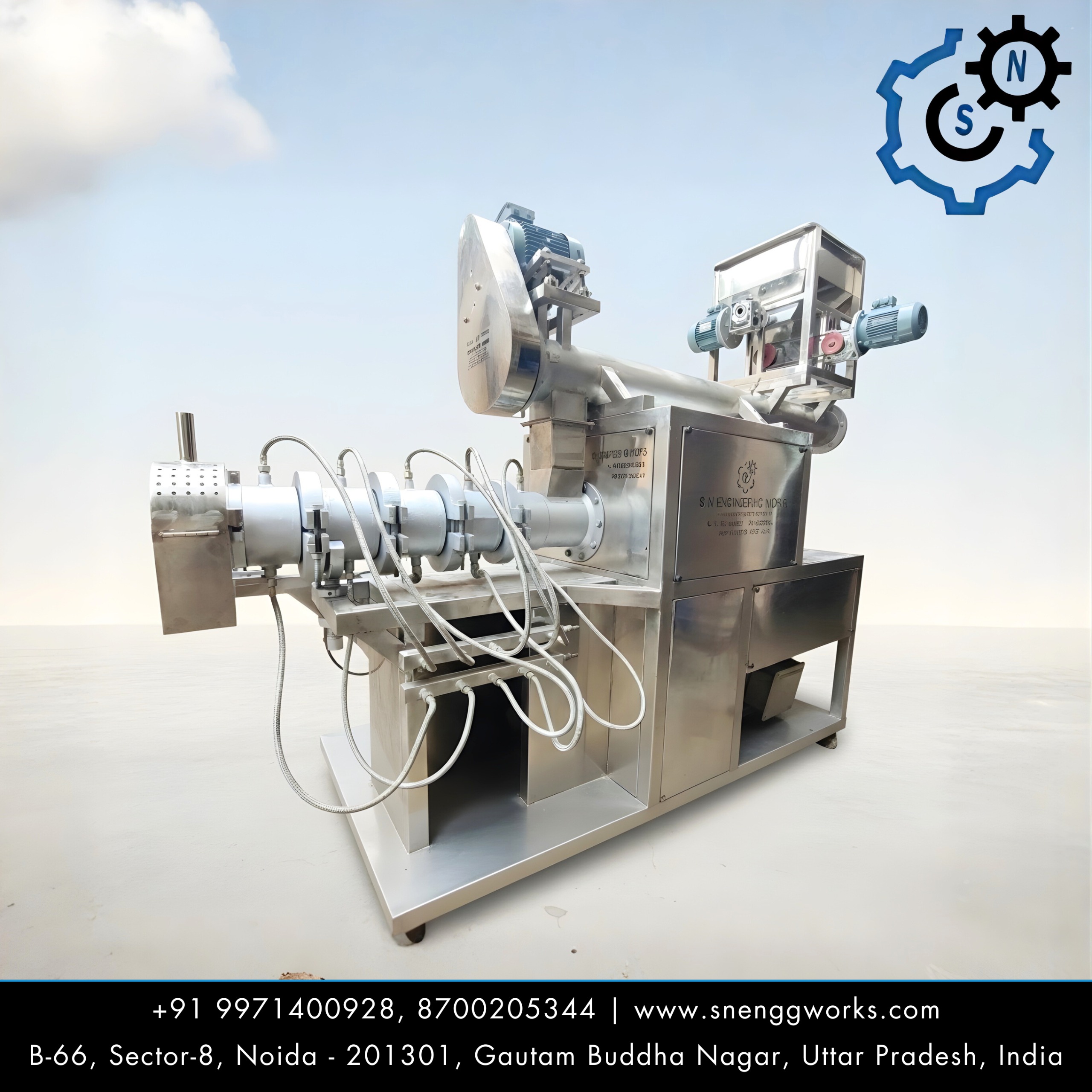
Fish feed manufacturing using extrusion technology has become the standard approach for producing both floating and sinking pellets at commercial scale. The process generally begins with grinding and mixing raw ingredients - typically a blend of fish meal, soya meal, grains and vitamin/mineral premixes - into a consistent formulation.
This mixed material is then fed into an extruder, where a combination of mechanical shear, pressure and (in wet extrusion systems) steam conditions the material and forces it through a die to form pellets. The die design and process settings determine whether the resulting pellet floats or sinks, which matters depending on the feeding behaviour of the target species.
After extrusion, pellets typically pass through a drying stage to bring moisture down to a stable, storable level, followed by cooling and, where required, an oil-coating step to add fat content and palatability. Finally, the product moves to packaging.
For producers evaluating their first fish feed line, it is worth thinking in terms of the complete process rather than a single machine - raw material handling, extrusion, drying and packaging all need to work together for consistent output.